The launch of OpenAI’s ChatGPT marked the beginning of a revolution. Artificial Intelligence (AI) is no longer just a futuristic concept, but a powerful tool that is reshaping multiple industries—including graphic design. From passing exams to generating stunning photorealistic images, AI for graphic design is proving to be a game-changer, and the design world is no exception. But does this mean the end for graphic designers? Absolutely not. In fact, AI design has the potential to make graphic design more captivating and efficient than ever before.
As Jim Coudal wisely noted, the goal isn’t merely to accelerate the design process, but to elevate it—blending human creativity, like nuanced color choices and aesthetic judgment, with the efficiency of machine-powered workflows. In this post, we’ll explore how AI graphic design tools are reshaping the graphic design world, empowering creatives to make a bold impact with less effort and more intention.
What is Artificial Intelligence?
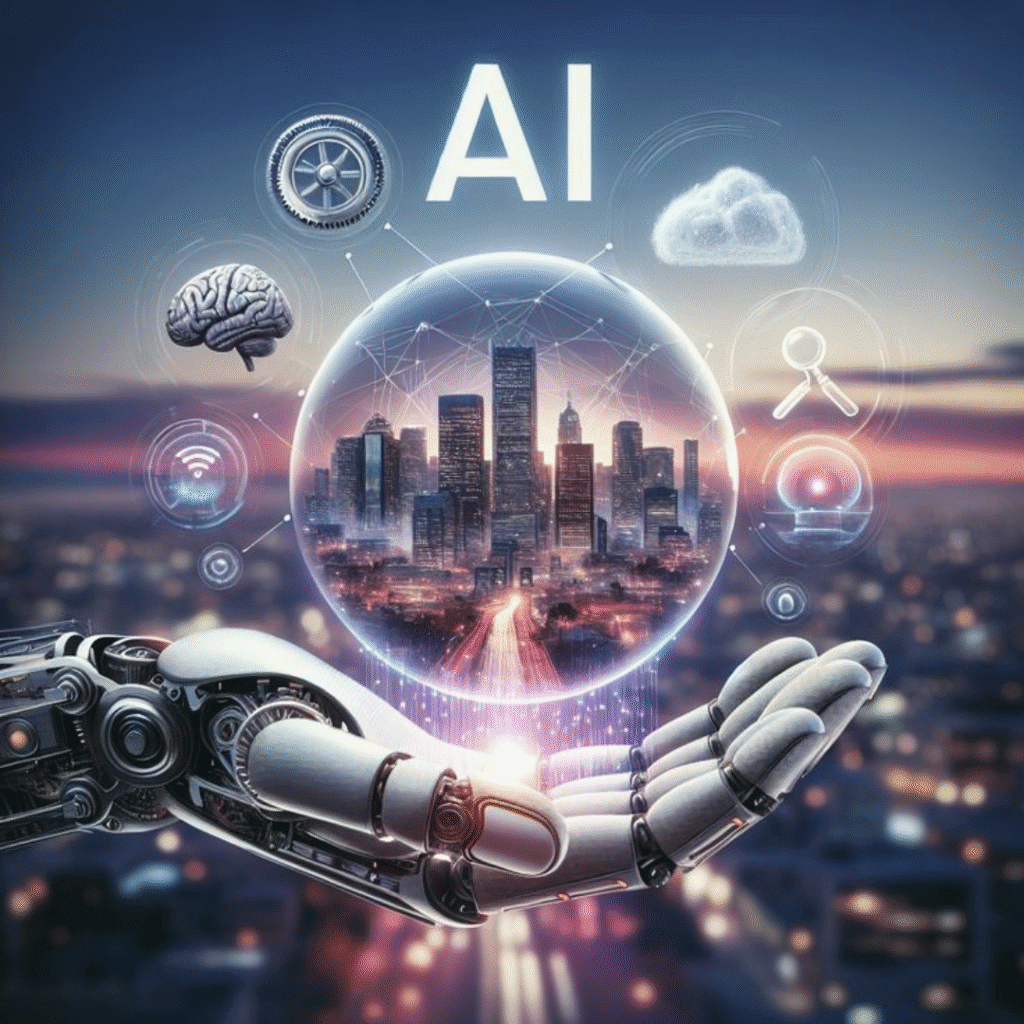
Artificial Intelligence, or AI for design, is all about giving machines the ability to think and learn like humans. It helps them handle tasks like understanding language, recognizing visuals, making decisions, and solving problems—things that used to rely solely on human intelligence. With the power of machine learning, AI design tools can sift through tons of data, spot patterns, and even get better over time.
At the heart of AI for graphic design is something called machine learning. It’s what helps these systems learn from experience. The more data they process, the better they get—spotting patterns, improving accuracy, and making smarter predictions over time. That’s how we get tools like Siri, facial recognition, or even self-driving cars.
When it comes to graphic design, AI tools for graphic design are stepping in to mimic parts of the creative process. They’re not just saving time or cutting out repetitive tasks—they’re actually helping graphic designers push their creativity further. By handling the technical side, AI tools for graphic design let designers focus more on what really matters: visual storytelling, color choices, and crafting beautiful, meaningful designs.
How Do Graphic Designers Define AI?
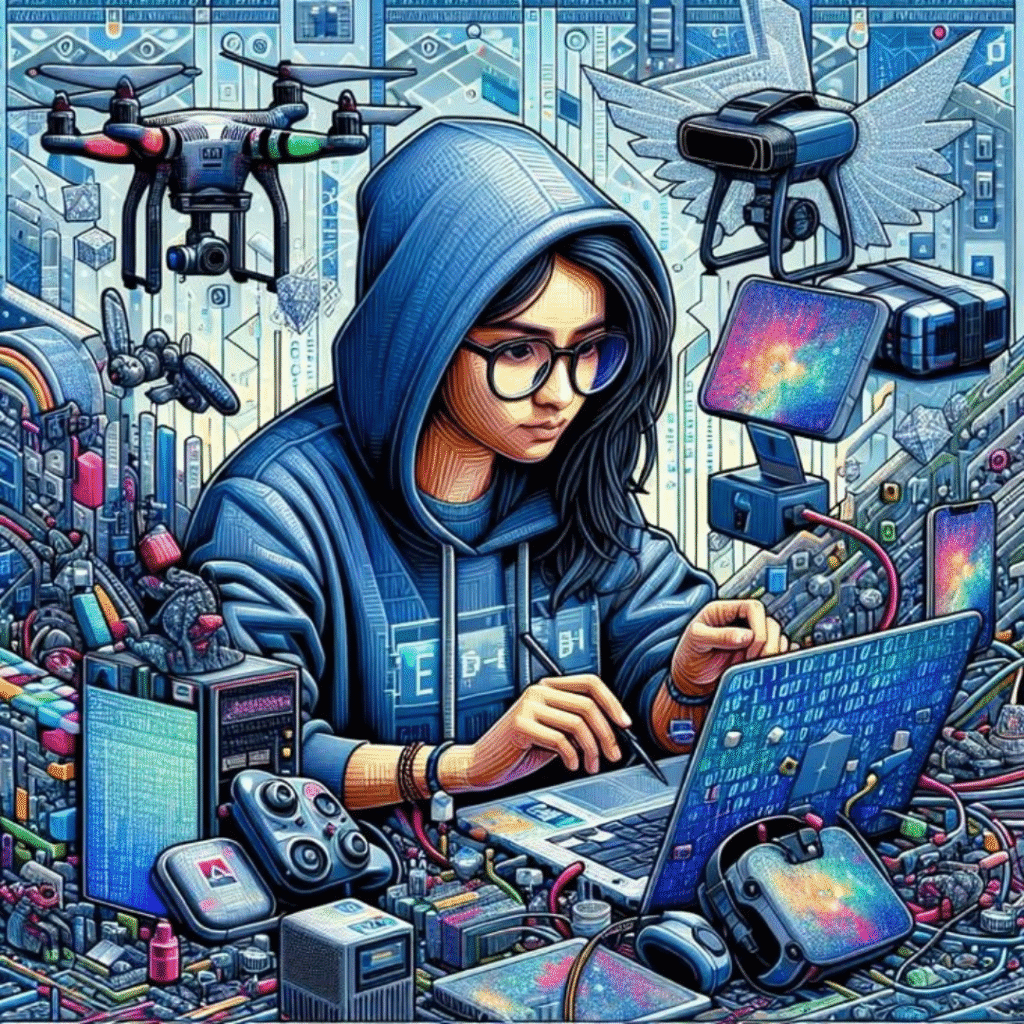
For graphic designers, AI graphic design tools are like smart assistants built to think a bit like humans. They’re designed to support us through different parts of the creative process—from coming up with visual assets to suggesting color palettes or even layout ideas.
What really makes AI in graphic design appealing is how much time it can save. Instead of spending hours tweaking pixel sizes, experimenting with different layouts, or resizing visuals for every platform, AI graphic design software can handle those repetitive tasks in seconds. That means more energy and focus for what we love most: being creative.
On top of that, these tools are smart enough to learn from user data, design trends, and what people visually respond to. They can offer thoughtful suggestions—like choosing colors that work well together, recommending fonts that match your style, or even building templates tailored to your project goals. AI design apps are growing smarter, helping graphic designers craft more personalized, visually engaging designs.
The Future of Graphic Design: Empowering Designers, Not Replacing Them
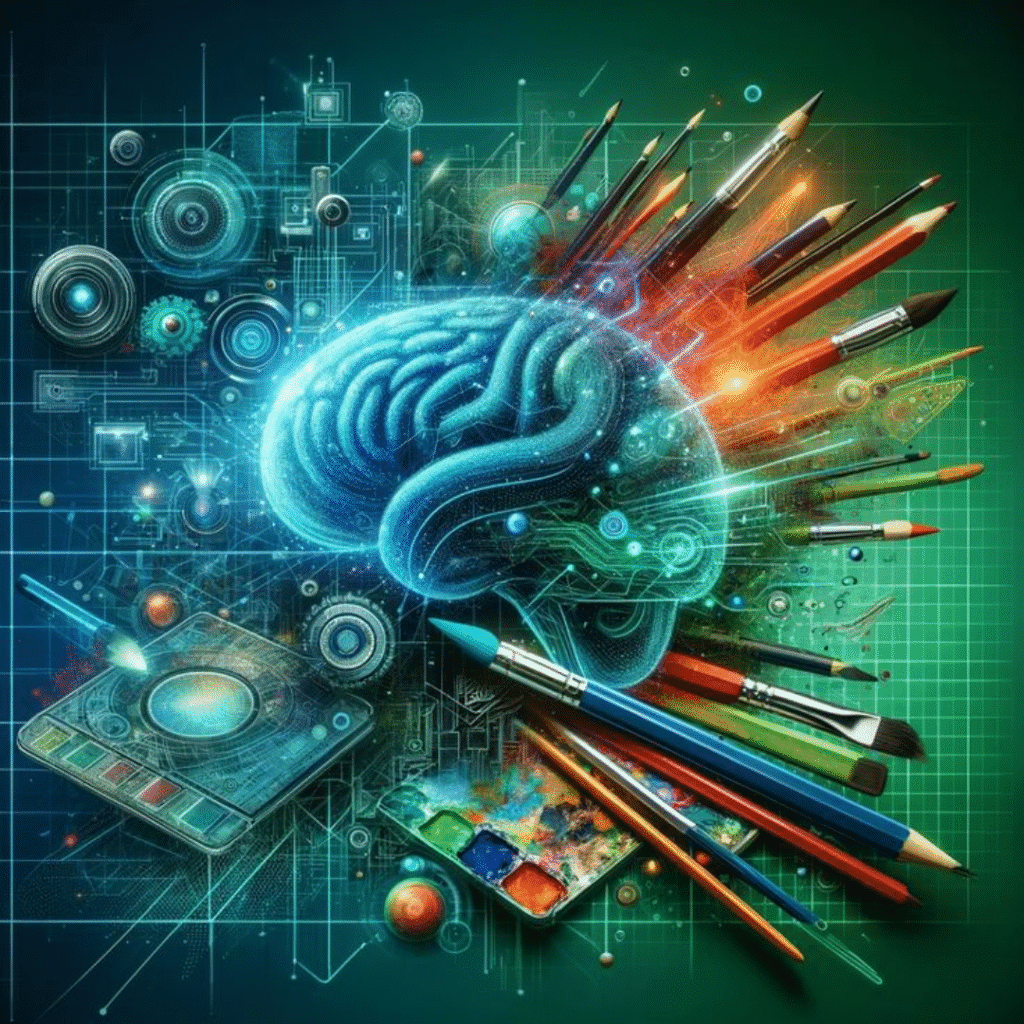
While AI graphic design tools may seem like a threat to traditional graphic design jobs, they are actually an empowering tool for designers. By automating the more repetitive aspects of design, AI design software frees up time for designers to focus on what really matters: creativity, strategy, and delivering impactful results.
In the future, graphic designers will evolve into more strategic roles, such as art directors or design consultants, using AI for graphic design to handle the technical aspects of design. For instance, an art director could use AI tools for graphic design to quickly generate a set of design options for a client, narrowing down the possibilities based on the client’s preferences before finalizing the concept.
Moreover, AI tools for website design like Generative Fill in Adobe Photoshop and Vance AI are rapidly enhancing image quality, making it easier to create high-resolution visuals even for complex designs. AI graphic design tools will allow designers to achieve the same—or even better—results in less time, making high-quality design more accessible to everyone.
Designing with AI: Maximizing Creativity with Minimal Effort
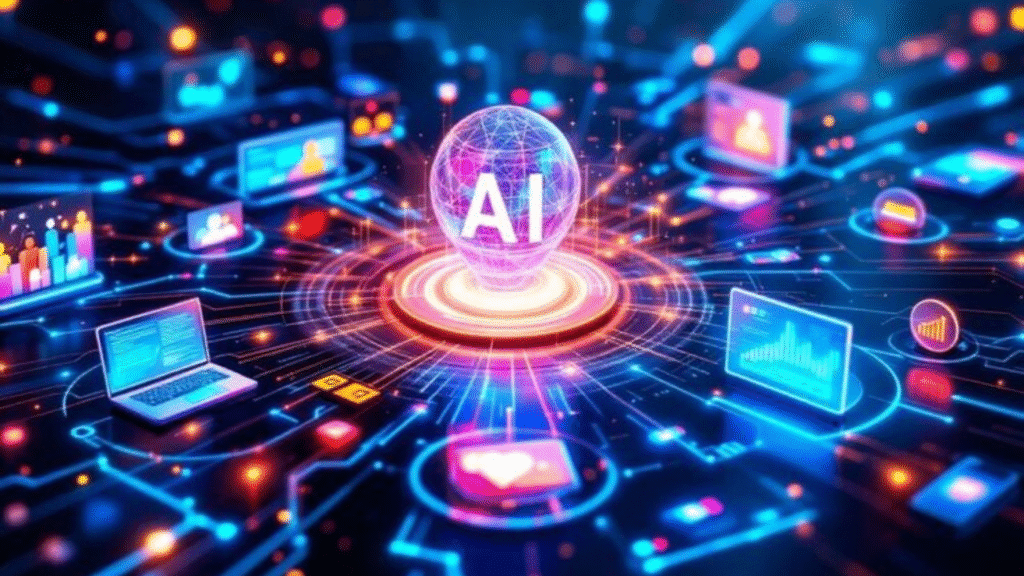
The combination of design AI tools and AI graphic design software means graphic designers can now create projects faster while maintaining quality. Whether you’re working on AI-generated graphic design or AI for website design, these tools help designers visualize ideas that once took hours or days to complete.
From digital design websites to graphic design apps that let you experiment with styles, AI is streamlining the graphic design process. AI web design tools are particularly useful for web designers who need to create responsive websites quickly. Whether you’re crafting a graphic design website or experimenting with web design AI, these tools help generate multiple variations of a design in minutes, allowing for faster iterations.
The flexibility of AI graphic design tools also extends to personalization, as AI analyzes user behavior and design trends. This helps designers create tailored designs that resonate with their audience, ultimately making the process of graphic design and website design AI more dynamic and customized.
At the end, the potential of AI for graphic designers is limitless. With AI design tools, the barriers to creativity have fallen, and graphic design services are more efficient than ever. Rather than replacing graphic designers, AI and design are working hand-in-hand, allowing designers to achieve incredible results with less effort.