Have you ever been attracted by a poster, an ad, a website, or even the packaging of your favourite products? If yes, then you’ve been influenced by its outstanding graphic design. But what exactly is graphic design?
This guide is perfect for graphic design for beginners who want to gain skills in graphic design. Whether you want to create your own designs or understand the role of graphic design, you’re at the right place to get started!
What is Graphic Designing?
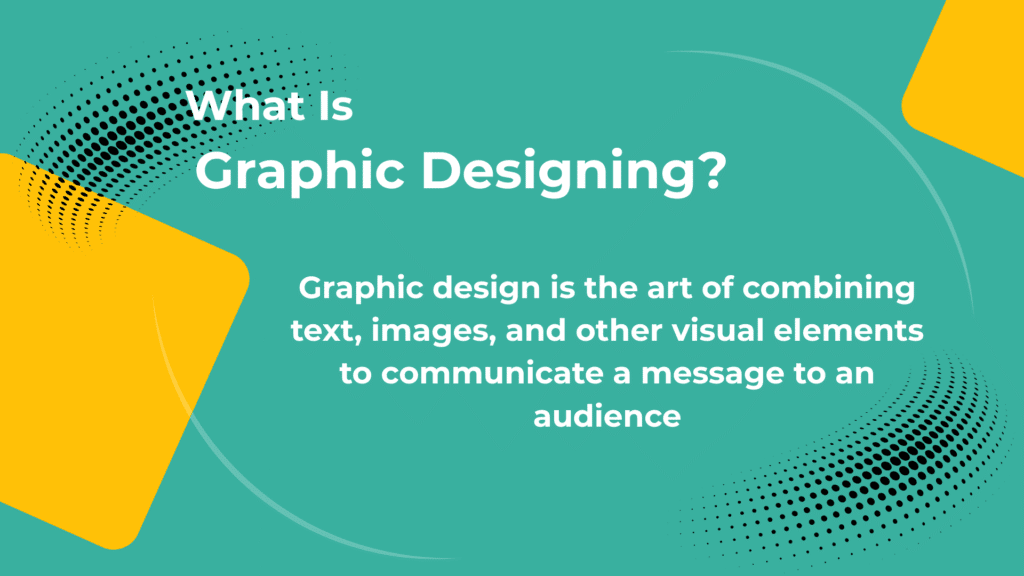
Graphic design is the art of combining text, images, and other visual elements to communicate a message to an audience. It is a creative process that involves crafting visual design to convey ideas, inspire emotions, and make complex information easier to understand.
In simpler terms, graphic design is the visual language that helps businesses, brands, and creators communicate with their target audience in a compelling way.
Being visual creatures, we are naturally drawn to graphic design, which is crafted to captivate our eyes through its principles and elements.
Graphic design became a profession during the Industrial Revolution, thanks to advancements in printing technology. The 20th century brought in digital technology, transforming graphic design into the dynamic field it is today. We’ve come a long way from calligraphy and the printing press!
Is it Possible to Learn Graphic Design Myself?
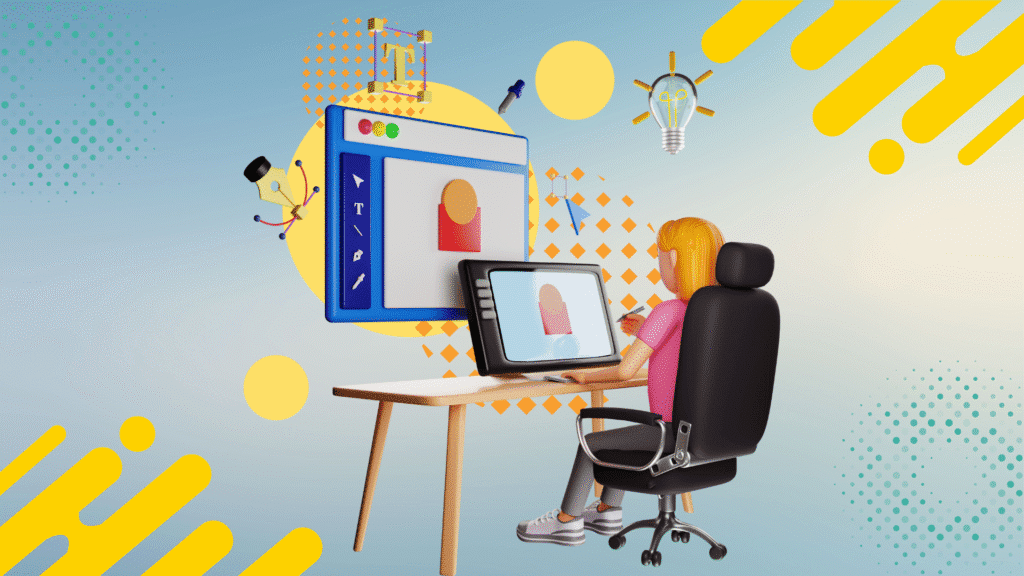
Absolutely! It is entirely possible to learn graphic design on your own, especially with the numerous resources available today. With dedication, practice, and the right tools, you can pick up the fundamentals and even refine your skills without formal education. There are numerous online tutorials, courses, and communities that can help guide you through the learning process. Some of them will be provided to you by the end of this blog post.
Here’s what David Carson, a self-taught graphic designer, had to say:
"Graphic design will save the world right after rock and roll does."
David Carson, known for his experimental and innovative approach to design, was largely self-taught and emphasizes that design is a creative, transformative force—pushing boundaries and exploring new ways to communicate visually.
The Importance of Graphic Design
Graphic design is not just about making things look pretty. It’s about placing elements that communicate a message clearly and effectively, with visual importance. It is mainly important for:
• Branding
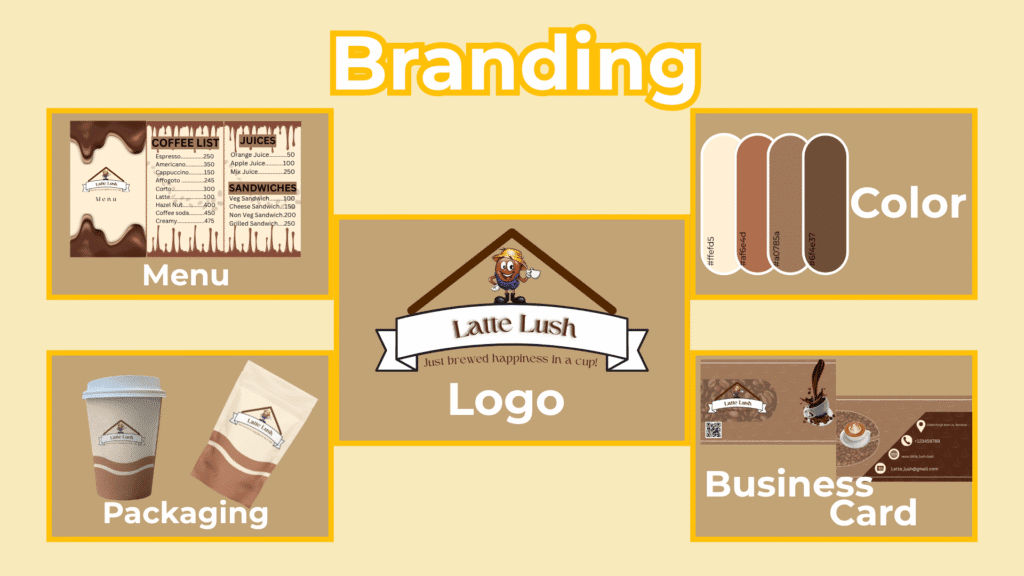
Digital design plays a crucial role in shaping a brand’s identity, whether for a budding start up or a well-established corporation. From logos and business cards to websites and product packaging, every design element helps convey the essence of a company and define how it is perceived. Branding graphic design ensures that your company’s visual presence resonates with your audience.
• Marketing

This is a powerful tool in marketing and advertising. It shapes visually compelling banners, social media posts, and ads. It enhances clarity while ensuring the message captivates and resonates with the audience. Marketing graphic design can make a huge difference in the impact of your campaigns.
• User Experience

Graphic design plays a vital role in UI/UX, improving website and app usability. It streamlines navigation, simplifies information, and fosters user engagement, making digital interactions more intuitive and appealing. Whether for a design website or an AI for graphic design, the design’s role is fundamental.
Good graphic designs builds credibility, attracts attention, and drives engagement, making it crucial for businesses to stand out in a crowded digital space.
The Graphic Design Process
Wondering what the process of graphic design is or how it works? While the process may differ slightly between designers and projects, it usually follows these key stages:
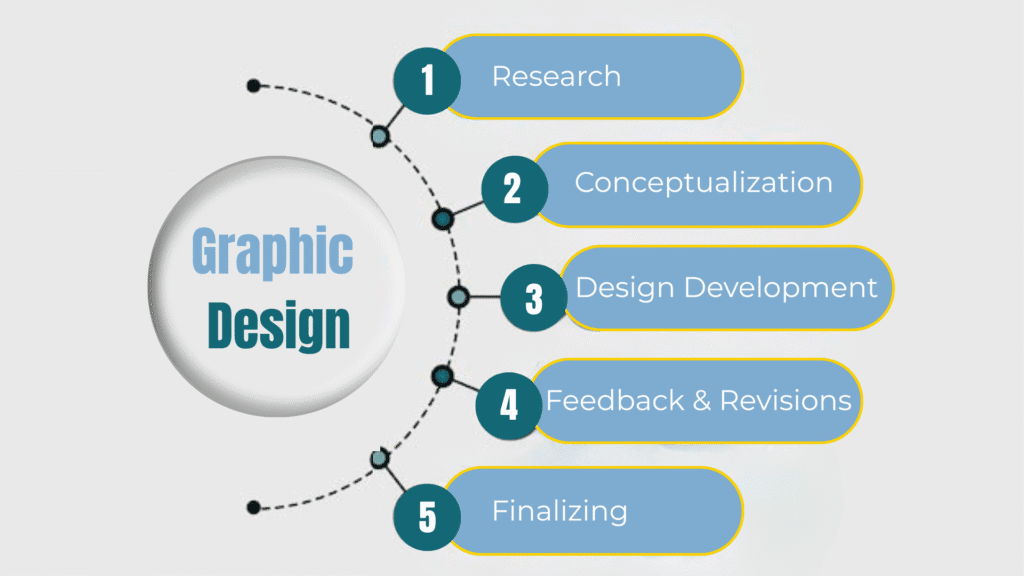
- Research: Understand the client’s needs, target audience, and design goals.
- Conceptualization: Generate ideas and create rough sketches or mockups.
- Design Development: Refine the concept, choose color schemes, fonts, and layouts.
- Feedback & Revisions: Present the design and gather feedback for improvements.
- Finalizing: Complete the design and prepare it for production or publication.
Once the design process is finished, designers typically schedule a feedback session to identify areas for improvement and explore ways to collaborate more effectively. This is all part of the ongoing learning and growth process!
Coinclusion
Graphic design is a powerful tool for visual communication. Whether you are designing for personal projects or helping a business build its brand, learning the basics of graphic design will provide the foundation to create effective and impactful visual designs. Remember, like any skill, graphic design gets better with practice. So start small, learn from your mistakes, and keep refining your designs